EP162 CAN WE KEEP PRISONERS FROM RETURNING FOR THREE HOTS AND A COT?
In a society that jails so many, more the average country(as Yogi Bear might have said), you’d think we’d have figured out ways to use prison time more wisely to insure that these same folks don’t return, costing society more to incarcerate them again and victims the pain of re-offending. And, yet, we still struggle with the uncertainty as to which programs really work to do that. There’s a new report, entitled ‘The Effectiveness of Education and Employment Programming for Prisoners’, and its author Grant Duwe, academic adviser to the American Enterprise Institute for Criminal Justice Reform and research director for the Minnesota Department of Corrections, joins us to share its contents. We also discuss the House passed prison reform bill, ‘The First Step Act’. It’s an important issue that requires new thinking. You’ll hear some on today’s podcast.
Podcast: Play in new window | Download
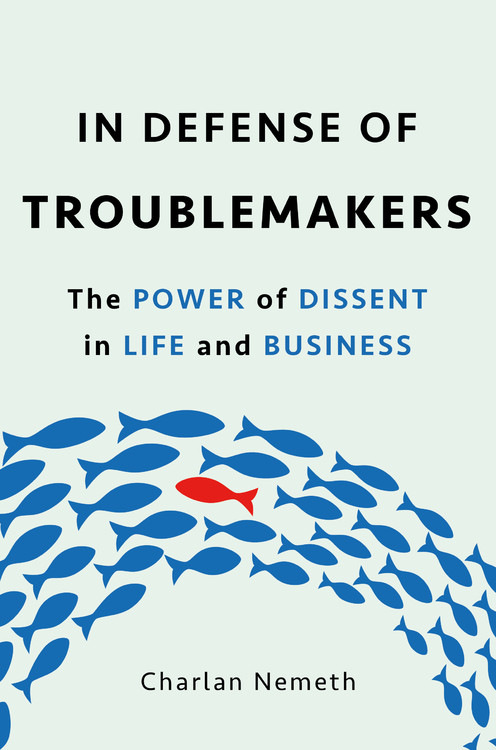 How many boring, staff meetings have you attended where everyone goes along to get along? It’s probably a countless number. Or one where the brave soul opens with ‘just to play devil’s advocate’ and in the process jettisons his own case. There is some incredible research to demonstrate that one outlier, one dissenter, can change the entire dynamic of a group–even if their argument itself doesn’t win the day. Psychologist, Charlan Nemeth, in her new book, ‘In Defense of Troublemakers’ writes about the value of dissent in group decision-making and how rare it is, even in groups that have been assembled in the hopes of honoring various aspects of diversity. It’s a compelling read and she breaks it down for us on this episode of ‘America Trends’. As an old radio pioneer used to say ‘your opinion counts, use it’.
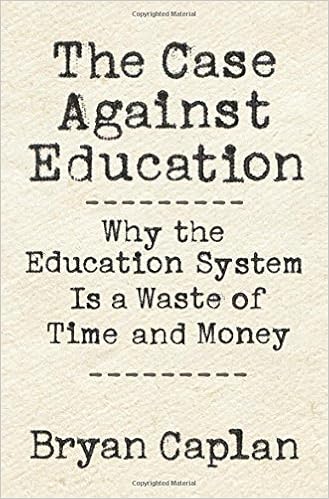 Just as some argue against public monies in health care and retirement plans, there are a growing number of people questioning the public investment in education. On this episode of our podcast, Bryan Caplan, a professor of economics at George Mason University, argues that the primary function of education is not to enhance students’ skill but rather to certify their readiness to enter the workforce. He feels much of what is taught–and what is spent–is a waste. Given that graduation is our society’s top conformity signal, he’s realistic that this ‘industry’ will likely contain as is, but he argues strenuously for a re-examination of its benefits. It’s explosive stuff. Take a listen.
 A doctor in Connecticut, David Young, has waited to bring his family’s dog, Simon, home for many months now. Instead, Simon is holed up in a shelter under orders from the State of Connecticut to be euthanized. You’ll hear from Dr. Young in this podcast as he tells his story. You be the judge. And for greater perspective on the animal rights issues in America we will then turn to Attorney Richard ‘The Dog Lawyer ‘ Rosenthal, who is representing Simon. He is committed to representing the interests of ‘at risk’ pets, companion animals and shelter animals in our society.
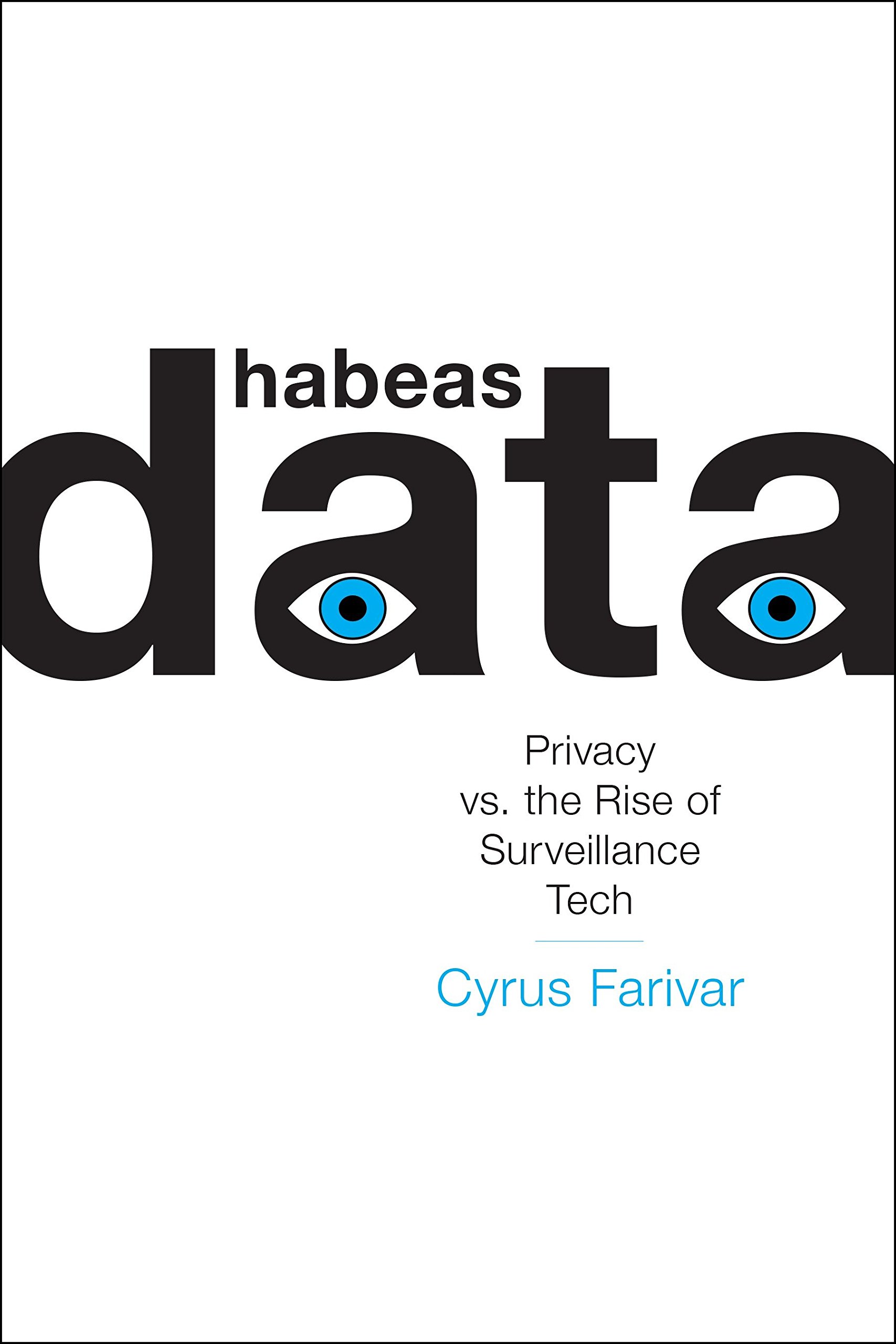 By its very construct, our government, with its checks and balances and election cycles, is more reactive than proactive. And it is this deliberative nature that keeps a check on abuse of power or so we imagine. Yet, the languid nature of our governmental system is often very slow to respond to fast changing developments in the real world. How many study commissions have been formed to take a complicated issue and wrestle with it as a way for lawmakers to look like they’re doing something, all the while they are stalling for time? With the pace of technological change, there is virtually no way for government to keep pace with appropriate checks, often on itself, to insure our privacy in a world of dazzling surveillance technology. Perhaps the implied right of privacy in the Constitution will hold back the floodgates, but some law enforcement agencies will go to the edge to transform new technologies into surveillance traps. Be aware and beware. Get the history and the story up to date on this podcast with Cyrus Farivar, author of ‘Habeas Data’.
 In an earlier podcast, we focused on the social isolation of older men. It’s a pandemic in our society and a previous U.S. Surgeon General(do we still have one)said that the condition was the cause of more medical problems than smoking or heart disease. Now we have a new study, commissioned by global health service company, CIGNA, which reveals that Generation Z(adults ages 18-22)is the loneliest generation and claims to be in worse health than older generations. And combined nearly half of all Americans report sometimes or always feeling alone. Dr. John Huber, Chairman of Mainstream Mental Health, weighs in on this study and the phenomenon he calls ‘phoneliness’ on this episode of America Trends..
 Among U.S. adults ages 50 and older, the divorce rate has roughly doubled since the 1990’s, according to a recent Pew Research Center report. It’s a startling figure until you think about. Previous generations thought there was a stigma to divorce. No longer. And they often didn’t live long enough to make this decision. All that has changed and more and more people feel entitled to live fully and happily. Once the kids are gone, and that job is done, some married couples find they have nothing in common any longer. According to Attorney Jacqueline Newman, a New York City based divorce lawyer, one of the challenges, particularly for women in these situations, is that she may not be aware of the couple’s finances. We explore the trend in graying divorces and what to be ready for if you find you on on your way to divorce proceedings. If you are just curious, you may want to listen to this one with your headphones.