EP 172 HOW COMPANIES CAN BETTER MANAGE CATASTROPHIC RISK
 Whether it’s a 9-11 calamity or a financial meltdown or product recall, companies must be prepared to respond in real time to emerging threats to their business. With the speed at which information travels, getting behind a crisis means sustaining losses from which you may never recover. In their book, ‘Mastering Catastrophic Risk’, Professors Michael Useem and Howard Kunreuther, of the Wharton School of Business at the University of Pennsylvania, discuss the issue with 100 business leaders. Professor Kunreuther joins us to distill their research on the topic and offers approaches to managing the many threats businesses face in these uncertain times.
Podcast: Play in new window | Download
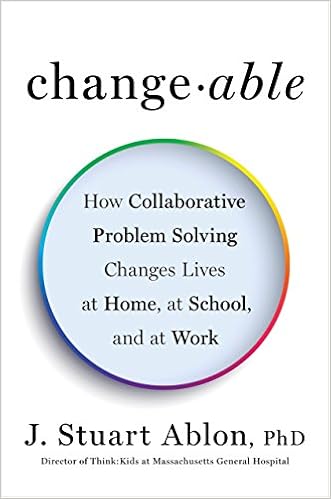 It’s seems as if we have a lot of young people today who are adrift, particularly our boys, and they have no direction home. And the ways we go about trying to ‘reform’ them don’t work. Jails aren’t the answer. Detention doesn’t result in changed behavior.. So, what do we do? Dr. J. Stuart Ablon, director of ‘Think:Kids’ in the Department of Psychiatry at Massachusetts General Hospital and an associate clinical professor at Harvard Medical School, thinks the answer is collaborative problem solving. And he’s got a lot of empirical evidence to prove it. In his book ‘Changeable’ he he offers options that can change lives at home, school and work. And he joins us on this podcast to share his research. We have other episode on the crisis with our kids including the boy’s crisis episode #133 and boys adrift episode #132
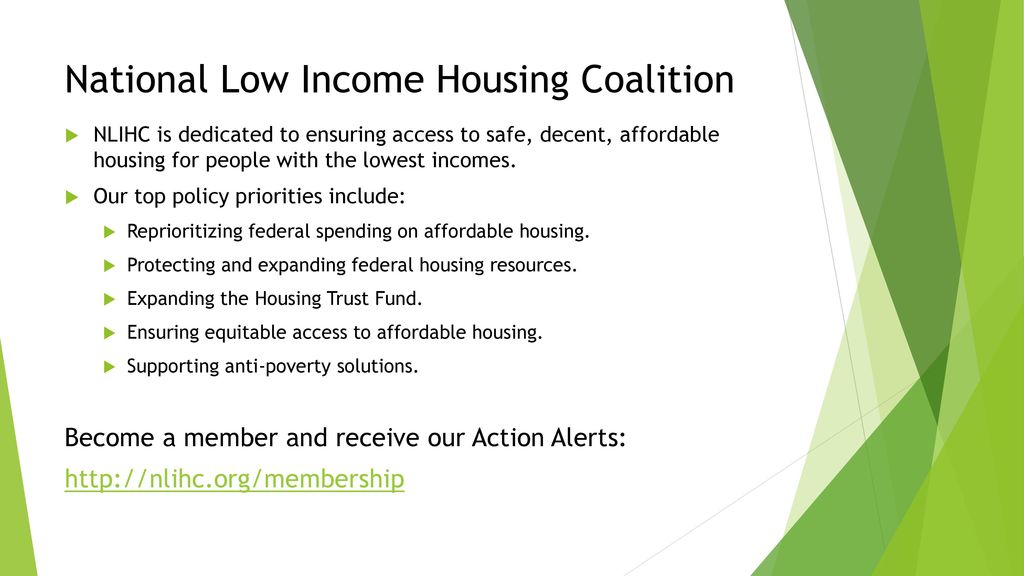 You live in a major city and have a great job. And you interact every day with service workers waiting on you in restaurants, handling your dry cleaning and other tasks. Have you ever stopped to wonder where they live in these metropolitan areas and how far they travel each day to get there? One of the biggest barriers to economic stability for families in the United States struggling to make ends meet is the severe shortage of affordable rental housing. And it’s getting worse. According to the report ‘The Gap: A Shortage of Affordable Homes’ compiled by the National Low Income Housing Coalition, the deficit is more than 7.2 million affordable homes. We discuss this issue with Sarah Mickelson from NLIHC about the report on this episode. You can find additional podcasts on this topic. We refer you to the ALICE episode #97 and episode #166 on housing segregation in America.
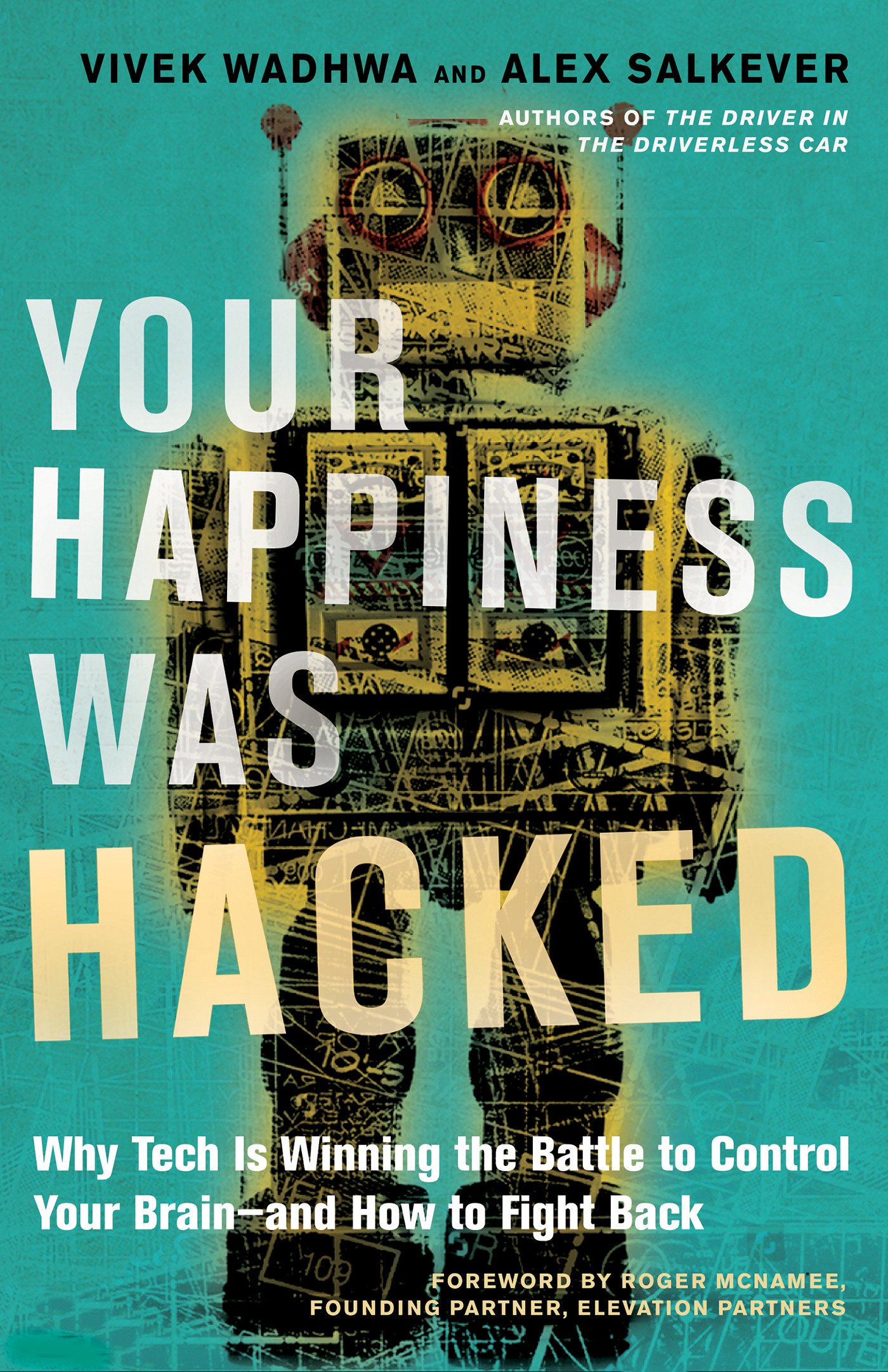 You’d think that Americans would be a very happy people. We have the world’s greatest economy, more entertainment options than ever before, a big land to traverse and enjoy and mobility. And, yet, we rank very poorly on indices measuring the happiness quotient. And while our discontent cannot all be traced to technology, it is playing a role, according to Alex Salkever, co-author of ‘Your Happiness Has Been Hacked’. He and his co-author, Vivek Wadhwa, believe that tech is winning the battle to
 Unraveling racial segregation is the key to reducing racial inequality. Let that concept sink in for a moment. Analyzing historical data from 1865 to the present, Richard Sander, our guest on this podcast, and his co-authors Yana Kucheva and Jonathan Zasloff, prove that racial integration has an enormously powerful effect on lifting people out of poverty and improving all outcomes in measures relating education, health and wealth. In their book, ‘Moving Toward Integration’ they look at the past and future of fair housing in America and the striking achievements made since the 1968 Fair Housing Act. We discuss how the country is doing as a whole on what they call the ‘index of dissimilarity’ and which regions are leading the way. (You may be surprised.) And we explore the impacts of gentrification on the process. Please take a listen to this podcast.
 Twenty years after its debut, it’s a good time to assess the impact that the women of the acclaimed HBO series had on the dating, sexual mores by women, fashion and, well, even cupcakes. According to Jennifer Keishin Armstrong, author of ‘Sex and the City and Us’ these four single women changed the way we think, live and love. We have a lively exchange including questions about which of the women would do well in this unusual time and whether this series or ‘Seinfeld’ left us with more cultural signposts? Our guest also wrote the book, ‘Seinfeldia’. So whether you’re single, married, a millennial or a Cougar and whether or not you’ve ever worn a nameplate necklace or a pair of Jimmy Choos, it’s a podcast worth enjoying.
 President Donald Trump boldy proclaimed that new federal legislation he signed will save hundreds of thousands of lives. It’s a bold assertion(what would you expect), but is it remotely true? The answer is no, according to Dr. Alison Bateman-House, an Assistant Professor in the Division of Medical Ethics at New York University. The legislation, already in place in a vast majority of states, lets terminally ill patients do an end around the Food & Drug Administration in their search for life saving medicines and therapies. So why would this notion be so problematic, when on the surface it sounds so good? We explore in this podcast.
 Well, not really. However, America must re-think its approach to treating the mentally ill and can’t make prisons, tent cities and the streets of America the default mode for those suffering with it. Howard Husock, vice president for research and publications, at the Manhattan Institute,along with colleague Carolyn D. Gorman co-wrote a provocative op-ed piece in the Wall Street Journal suggesting that a new generation of institutions would help reduce the vast numbers of mentally ill adults in our prisons. In it, and on this podcast, he gets us to envision how the past approaches we have discarded might hold out hope and form the basis for new models of placement and treatment for a growing segment in our population.