EP 107 THE WOMEN SHAPING THE WORLD’S NEXT SUPERPOWER
 Why, then, are they called ‘The Leftovers’? You will have to listen to author, Roseann Lake, bend your perceptions of modern China as it relates to their demographics in the wake of the newly discarded ‘one child policy’. On the face of it, it may not be clear why there are so many well educated, urbane and urban women in China who are considered over the hill because they haven’t married by the age of 25. With the surplus of men in their society, resulting from the one child policy, it doesn’t compute. She’ll explain. Get ready for a crash course on the role these women will play as the dominant competitor for economic superiority with the United States in the period ahead.
https://www.roseannlake.com/tedx
Podcast: Play in new window | Download
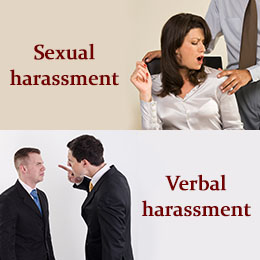 As Supreme Court justices once said about pornography, you know it when you see it. And in the news everyday, we learn of egregious abuses of power and sex by superiors in media, government and business. It could be verbal or physical, happen once or repeatedly, and create a hostile work environment. We explore the complexities of the issue from the standpoint of employers and employees on this episode with Attorney Brian Wagner and try to make certain that we are all aware of the rights and responsibilities we have in creating safe spaces in which to work and thrive.
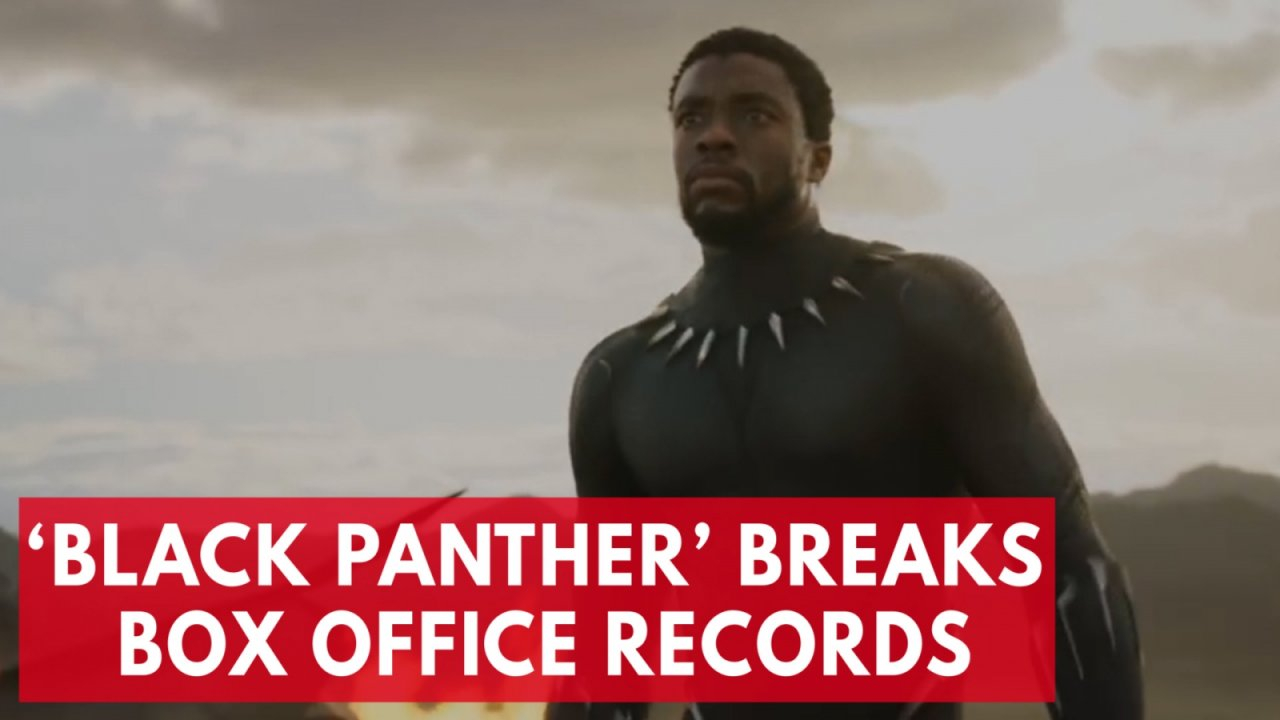 Here’s one way to debunk President Trump’s s—hole nations smear. Portray an African nation as a technologically advanced society and then emerge as the hottest movie ticket in years. Credit the monstrous opening of this African themed, superhero movie from Marvel Studios, now part of the Disney family, with shattering records and busting myths. Will this phenomenon, with its cultural implications, lead to doors being opened in new ways to African-American creatives, in front of and behind the camera, and will it create new opportunities for understanding in these challenging times? We pose those questions and more to Dr. Phillip Cunningham, a media studies professor, at Quinnipiac University.
 Hillary Clinton won 3 million more votes than Donald Trump. He’s the President and she’s promoting a book trying to explain what went wrong. The question we ponder on this podcast is whether the system we have for choosing a president itself in need of repair. The Electoral College, part of a ‘Great Compromise by our Founders’, was meant to assure that small states were not overlooked as candidates sought support and that we promote truly national candidates, not ones representing regional interests. In a different era, is it time to gut the way the Electoral College system has evolved into a winner take all contest per state and let the candidate who wins a majority ascend to the office? In this podcast, you’ll learn about the Popular Vote Initiative compact which some states have already passed that would make this process possible. Drew Penrose joins us from
  A few years back, nuclear energy was said to be on the verge of a renaissance. It could reduce our carbon footprint and be reliable 24/7 unlike some of the other sustainable energy sources. Yet, looming over us were memories of Three Mile Island and Chernobyl. Worse yet for the industry was the new glut of natural gas available to us because of fracking technology. The story of nuclear energy in the U.S. is a complicated one and its final chapter hasn’t been written. Stories of its current woes and potential demise are balanced by stories of new technologies which make it safer and more efficient. We talk to Rich Powell, executive director of the ClearPath Foundation, a nonprofit group that promotes conservative clean energy solutions. He says don’t count nuclear out of the power equation.
 The Trump Administration is on an executive branch crusade to upend the regulatory fervor of the Obama era and beyond. The President has made no secret of this, as you will hear at the top of our podcast, and in large measure he’s been successful. He seems determined to strip away red tape in a host of areas of oversight for the federal government and involve the GOP Congress in the process. So we are left to ask: are there too many regulations which exceed the boundaries of the legislation that underpin them? And will any of this zeal to take these requirements off the books have a harmful impact on things like health and safety? Is this a pruning or a bludgeoning? We talk to Peter Wallison, of the American Enterprise Institute, who thinks this is a healthy development
 You will learn in this episode of our podcast that there is a deep rift between America’s most powerful civilian and military officials. After all, over the years each President has given growing importance to his own National Security Council, and a key advisor, and they must deal with the Defense Secretary and the Chairman of the Joints Chiefs of Staff in order to make military policy. Our guest, Mark Perry, author of ‘The Pentagon Wars: The Military’s Undeclared War Against America’s Presidents’ describes how those conflicts have shaped three decades of foreign policy. Let’s be honest, the results have been less than stellar. Is this the reason the United States squandered its many advantages when we began to roam the world’s stage as the sole superpower at the end of the Cold War? There are two key events that fundamentally reshaped the military chain of command and, thus, the relationship between the U.S. military and the President. We learn what they are in this episode
 We’re all so proud to spit in a tube and send our DNA off to be analyzed so we know what it will tell us about our heritage. When the information returns, we find out a lot about ourselves and our backgrounds. Has anyone had one that came back 100% American, except a Native American? Then why have many grown so suspicious and distrusting of immigrants coming to America, when its our birthright as a nation to be welcoming? Helen Thorpe, author of ‘The Newcomers’ wanted to put a human face on this sudden controversy by visiting a school in Denver working hard to assimiliate young refugees into our society. These young people are resilient and hopeful, but America at this time may not be what’s inscribed on the Statue of Liberty. Together, we will explore the messages they receive upon arriving here.
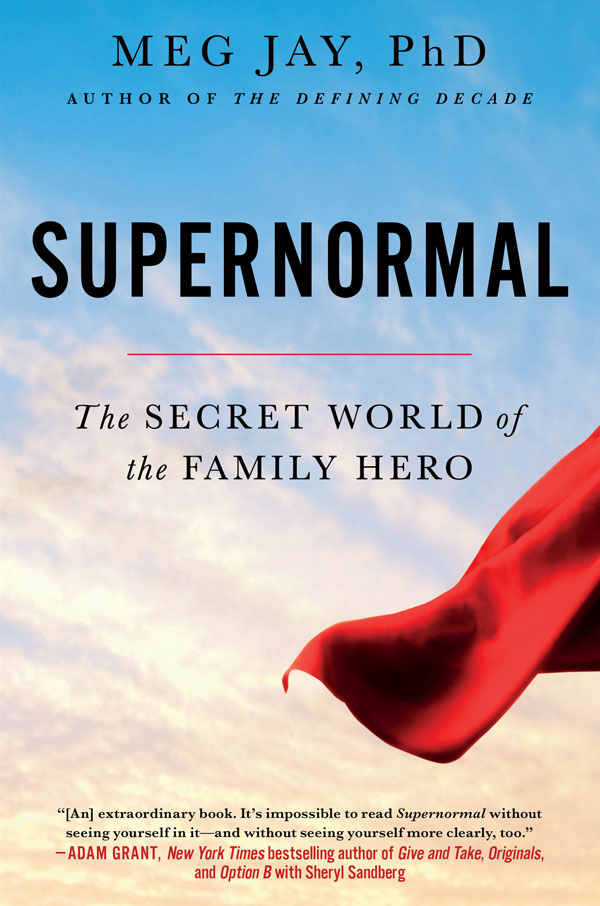 If you’ve overcome trauma as a child, like superheroes, you have your own origin story–an event or a circumstance that sets you on a desperate and courageous path. It also forces you to acquire specialized survival skills. Remarkably, 75% of Americans face a life changing adversity before the age of 20. The headlines today scream with the impacts of these events as those who were abused come forward or retreat into a haze of drugs and destructive behavior. Dr. Meg Jay has looked at the coping and overcoming mechanisms used by so many in our society in her book, ‘Supernormal: The Untold Story of Adversity and Resilience’. She joins us to provide hope and inspiration that these events do not have to limit our futures and, in fact, may unleash our full potential.