EP 103 DOES NUCLEAR POWER IN AMERICA DESERVE ANOTHER LOOK?
 A few years back, nuclear energy was said to be on the verge of a renaissance. It could reduce our carbon footprint and be reliable 24/7 unlike some of the other sustainable energy sources. Yet, looming over us were memories of Three Mile Island and Chernobyl. Worse yet for the industry was the new glut of natural gas available to us because of fracking technology. The story of nuclear energy in the U.S. is a complicated one and its final chapter hasn’t been written. Stories of its current woes and potential demise are balanced by stories of new technologies which make it safer and more efficient. We talk to Rich Powell, executive director of the ClearPath Foundation, a nonprofit group that promotes conservative clean energy solutions. He says don’t count nuclear out of the power equation.
https://clearpath.org/jay-and-richs-take/nuclear-at-a-crossroads/
Podcast: Play in new window | Download
 The Trump Administration is on an executive branch crusade to upend the regulatory fervor of the Obama era and beyond. The President has made no secret of this, as you will hear at the top of our podcast, and in large measure he’s been successful. He seems determined to strip away red tape in a host of areas of oversight for the federal government and involve the GOP Congress in the process. So we are left to ask: are there too many regulations which exceed the boundaries of the legislation that underpin them? And will any of this zeal to take these requirements off the books have a harmful impact on things like health and safety? Is this a pruning or a bludgeoning? We talk to Peter Wallison, of the American Enterprise Institute, who thinks this is a healthy development
 You will learn in this episode of our podcast that there is a deep rift between America’s most powerful civilian and military officials. After all, over the years each President has given growing importance to his own National Security Council, and a key advisor, and they must deal with the Defense Secretary and the Chairman of the Joints Chiefs of Staff in order to make military policy. Our guest, Mark Perry, author of ‘The Pentagon Wars: The Military’s Undeclared War Against America’s Presidents’ describes how those conflicts have shaped three decades of foreign policy. Let’s be honest, the results have been less than stellar. Is this the reason the United States squandered its many advantages when we began to roam the world’s stage as the sole superpower at the end of the Cold War? There are two key events that fundamentally reshaped the military chain of command and, thus, the relationship between the U.S. military and the President. We learn what they are in this episode
 We’re all so proud to spit in a tube and send our DNA off to be analyzed so we know what it will tell us about our heritage. When the information returns, we find out a lot about ourselves and our backgrounds. Has anyone had one that came back 100% American, except a Native American? Then why have many grown so suspicious and distrusting of immigrants coming to America, when its our birthright as a nation to be welcoming? Helen Thorpe, author of ‘The Newcomers’ wanted to put a human face on this sudden controversy by visiting a school in Denver working hard to assimiliate young refugees into our society. These young people are resilient and hopeful, but America at this time may not be what’s inscribed on the Statue of Liberty. Together, we will explore the messages they receive upon arriving here.
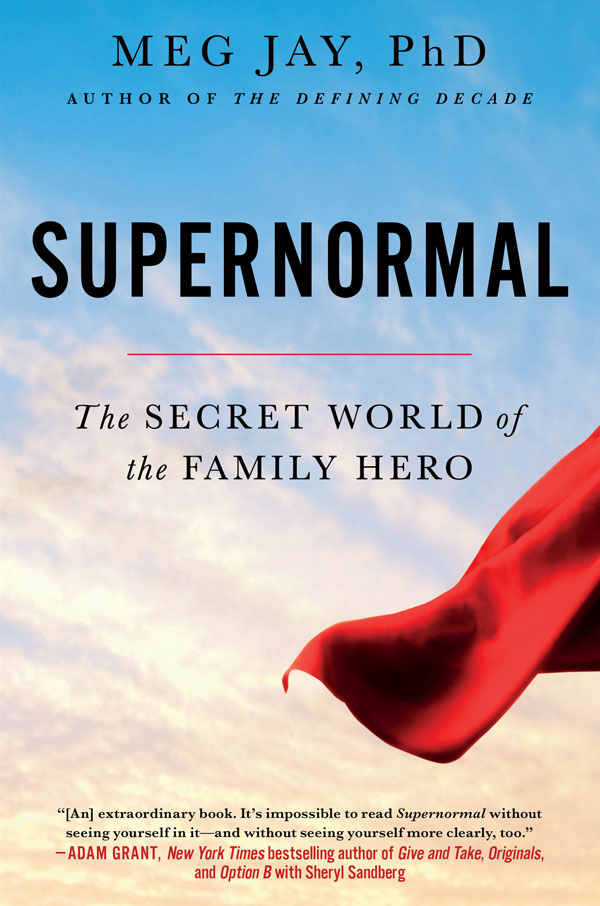 If you’ve overcome trauma as a child, like superheroes, you have your own origin story–an event or a circumstance that sets you on a desperate and courageous path. It also forces you to acquire specialized survival skills. Remarkably, 75% of Americans face a life changing adversity before the age of 20. The headlines today scream with the impacts of these events as those who were abused come forward or retreat into a haze of drugs and destructive behavior. Dr. Meg Jay has looked at the coping and overcoming mechanisms used by so many in our society in her book, ‘Supernormal: The Untold Story of Adversity and Resilience’. She joins us to provide hope and inspiration that these events do not have to limit our futures and, in fact, may unleash our full potential.

 Dr. John Huber, Chairman of Mainstream Mental Health, joins us again for a freewheeling conversation focused on millennial’s but important to all about their beliefs and influences and the impact they are having on our society. We touch on their penchant for socialism, Bernie Sanders style, and the recent admission by Sean Parker, a co-founder of Facebook, that they knew that what they were building could be addictive. And we even touch on the impact that mass shootings are having on our society’s mental health. We think you’ll appreciate the range of topics we touch on.
 We hear a lot about the federal government and over regulation. And yet some of the most burdensome regulations are mandated by states as they determine which occupations require how many hours of training leading to license. And each state’s requirements as to which fields require how much training are different. Worse still is that there is little reciprocity state to state and a field licensed in one state may not be licensed in the neighboring state. Do interior decorators really need a license? Do physical therapists need a clinical doctorate? If it’s all about health and safety, shouldn’t tattoo artists need to be licensed? Perhaps, there are other factors at play. We explore with Dr. Mark Gius, an economist, from Quinnipiac University.