EP 951 Diverse Schools and Workplaces Perform Better. There’s Science Behind It.
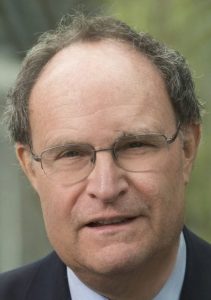 There was a time when our guest was a diversity skeptic. He actually believed that Justice Clarence Thomas’s thinking on the matter had some validity. Then he began to explore the history of the concept and became a true admirer of the benefits that diversity brings to academic settings, the workplace, science laboratories and all manner of activity. From that he began a thoughtful examination of the science behind the benefits of having previously excluded groups as part of the conversation and decision-making process. And while some argued that simply by using the Socratic Method of challenging convention you could get enough diverse opinions, he began to recognize, as other scholars like Wilhelm von Humboldt and John Stuart Mill did in the 19th century and Charles Eliot, Archibald Cox and Lewis Powell did in the 20th century, that you actually needed people with different backgrounds and life experiences to provide the rich diversity of thought that resulted in better scholarship and outcomes. America’s adaption of diversity in action over the last 50 years seemed to suggest we understood that, so now why the backsliding? We discuss this all today with Berkeley law professor, David Oppenheimer. He is the author of the new book, “The Diversity Principle: The Story of a Transformative Idea.”
Podcast: Play in new window | Download